
Werner Gundersheimer · 1998 Honoree
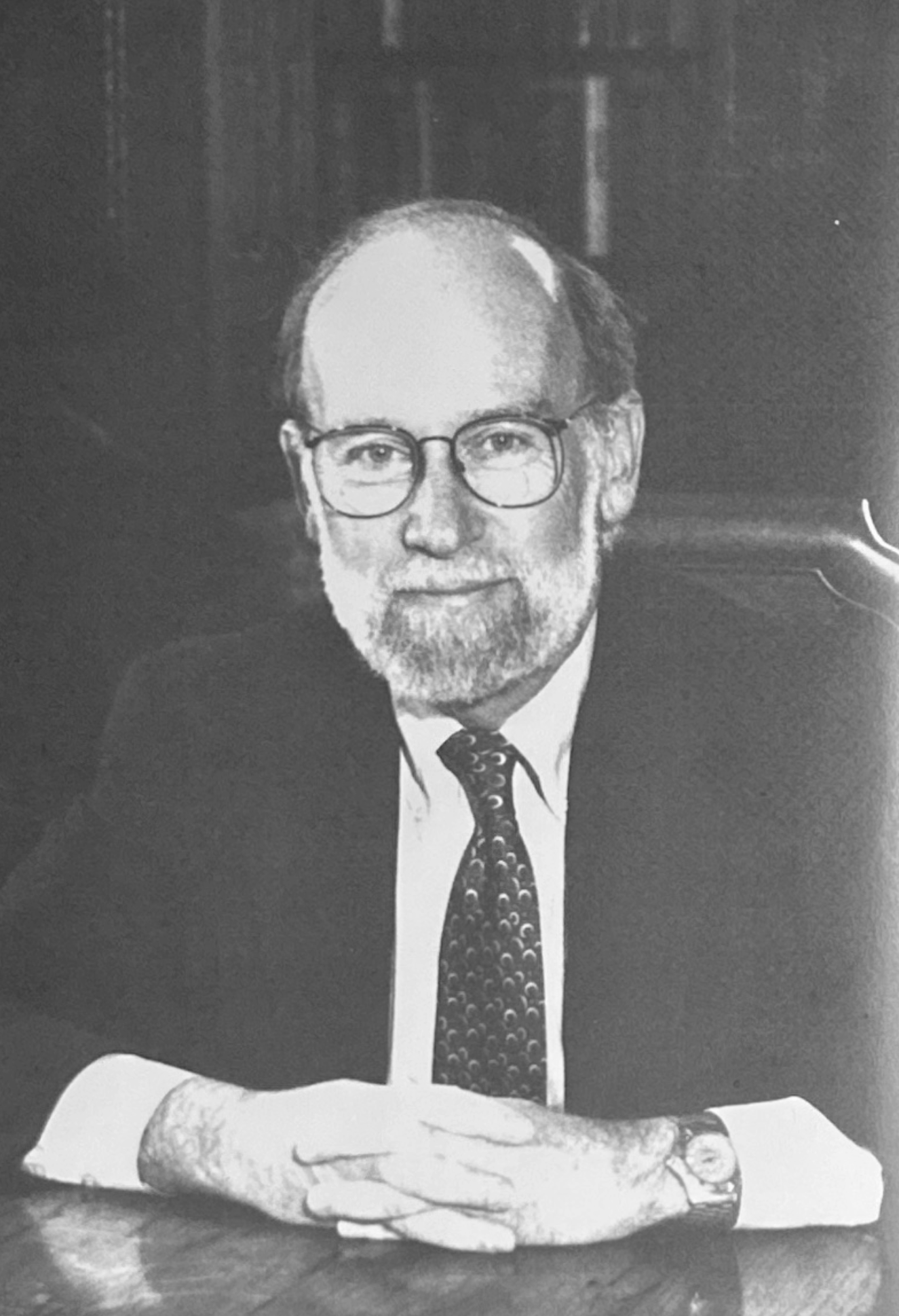
Werner Gundersheimer was born in Frankfurt-am-Maim, Germany, where his father was a museum curator. Leaving everything they owned, father, mother, and son fled the Nazis, first to England, then the United States. Once across the Atlantic Werner’s parents placed him in foster care until they could re-establish the family. Werner credits his intense regard for the power of Shakespeare’s native tongue to his year in England; his initial understanding of diversity to his foster year in a New England Congregational minister’s home. Suddenly having three older “sisters” was fun for young Werner; being told to forego the redolent breakfast bacon because he was Jewish was not!
Werner's father, who became an art history professor, sometimes worked three jobs simultaneously. Even in their most impoverished days, however, Werner’s parents never sent him to Sunday School without a quarter in his pocket “for those in need.” Their lesson of the obligation of giving is a cornerstone of Werner’s life.
Werner also learned the importance of receiving. Scholarships and fellowships helped him obtain his B.A. at Amherst, M.A. and Ph.D. at Harvard. His marriage to Karen Rosenwald in 1963 resulted in two sons, Joshua and Benjamin; and Werner draws further inspiration from the Rosenwalds’ distinguished history of philanthropy.
In 1985 Werner Gundersheimer left his position as history professor at the University of Pennsylvania to direct the Folger. He lights up when discussing the opportunity and commitment to make Shakespeare relevant, particularly to today’s youth. Werner deems this an especially important obligation in our time’s spiritual poverty, caused in part by families’ failure to read together at home and the omnipresent media. He especially cites the Shakespeare Festival where youths can learn both the emotional power of Shakespeare and the power of language. It affords a rare setting for students of widely diverse backgrounds to come together in an atmosphere that has nothing to do with sports or negative competitiveness.
Werner greatly admires Capitol Hill, “truly a city on the Hill,” with its tremendous infrastructure of support. He has watched the CHAMPS Foundation’s impressive response to Capitol Hill’s needs and believes the timeliness of its gifts is often as important as the amount. Through his work at the Folger and his support of the CHAMPS Foundation, Werner Gundersheimer also has responded to the Hill in a very impressive way.